
The Government must work alongside the local government sector to strengthen its regulatory response to short-stay accommodation in Tasmania, or risk more Tasmanians being excluded from the already stretched private rental market, new data shows.
TasCOSS, in collaboration with the Local Government of Tasmania (LGAT), has released new short-stay accommodation indicators on the Tasmania’s State of Housing Dashboard, which quantify the rapid growth of the under-regulated short-stay market over the past decade.
The Dashboard shows the high prevalence of short-stay properties is contributing to reduced rental affordability and availability. The data reveals a 24% growth in non-primary residential homes have hit the short-stay market since 2019 — now sitting at a record 3,844 properties — with significantly higher concentrations in some local government areas.
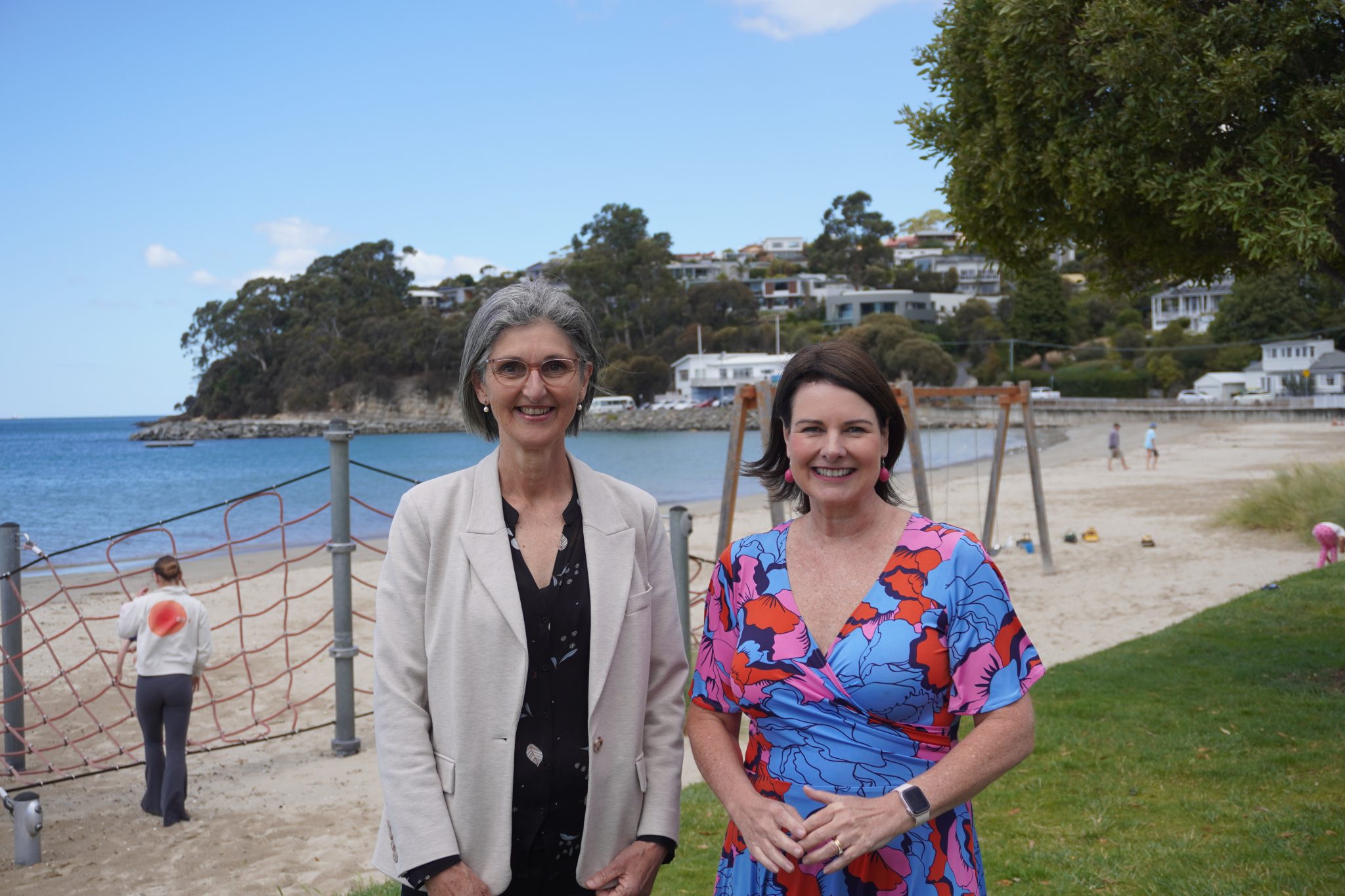
TasCOSS CEO, Ms Adrienne Picone, said given Tasmania’s well-documented housing crisis, the Government has a obligation to restore balance to a market currently weighted heavily towards short-term letting, undermining Tasmanians’ ability to secure a stable home.
“While not wholly responsibility for challenges in the private rental market, this issue of short-stay has remained unchecked for too long and greater market intervention is needed,” Ms Picone said.
“The Government’s 5% Short Stay Levy on customers is poorly designed and as a standalone regulatory measure is unlikely to be effective in changing the behaviour of owners of short-term rentals, with the added risk that costs are simply passed on.
“Arguably, the primary outcome of the proposed levy will be to raise revenue for the Government — estimated at $11 million per annum. To strengthen the levy’s impact, rather than direct revenue to initiatives for first home buyers which risks further driving up house prices, it should be directed to supplementing funding for social housing.”
LGAT Vice President, Mayor Paula Wriedt, said short-stay markets differ significantly across Tasmania.
“A one-size-fits-all approach to regulating short-stay is not efficient and may fail to address local housing pressures,” Mayor Wriedt said.
“Local government is calling on the Government to work collaboratively with our sector on the development of land use planning controls that can be applied locally, as needed.”
“It is important individual councils are enabled to develop tailored regulatory responses suited to their local economic, social and housing conditions.
The Tasmania’s State of Housing Dashboard can be accessed at tascoss.org.au/state-of-housing. For more information on housing policy, read TasCOSS’s 2026/27 Pre-Budget Submission: ‘Nowhere to Go:’ Fixing Tasmania’s Broken Housing System. Graphs/charts from the Dashboard are also available for use by media here.