
Tasmanian renters are among the most exposed in the country due to a lack of rental rights and protections, new data shows.
TasCOSS, in collaboration with Tenants’ Union of Tasmania, has released new rental reform indicators on the Tasmania’s State of Housing Dashboard, which underscores the uphill plight facing Tasmanian renters who, despite growing in numbers, continue to be let down by inadequate government protections and regulations.
The Dashboard shows the proportion of Tasmania’s population who rent from private landlords has increased by 50% in the past 20 years. Adding to the challenge of finding and maintaining a home, rental costs in Hobart are swelling at a greater rate than all other Australian capital cities bar Perth over the past 12 months, with houses and units up 6% and 11% respectively.
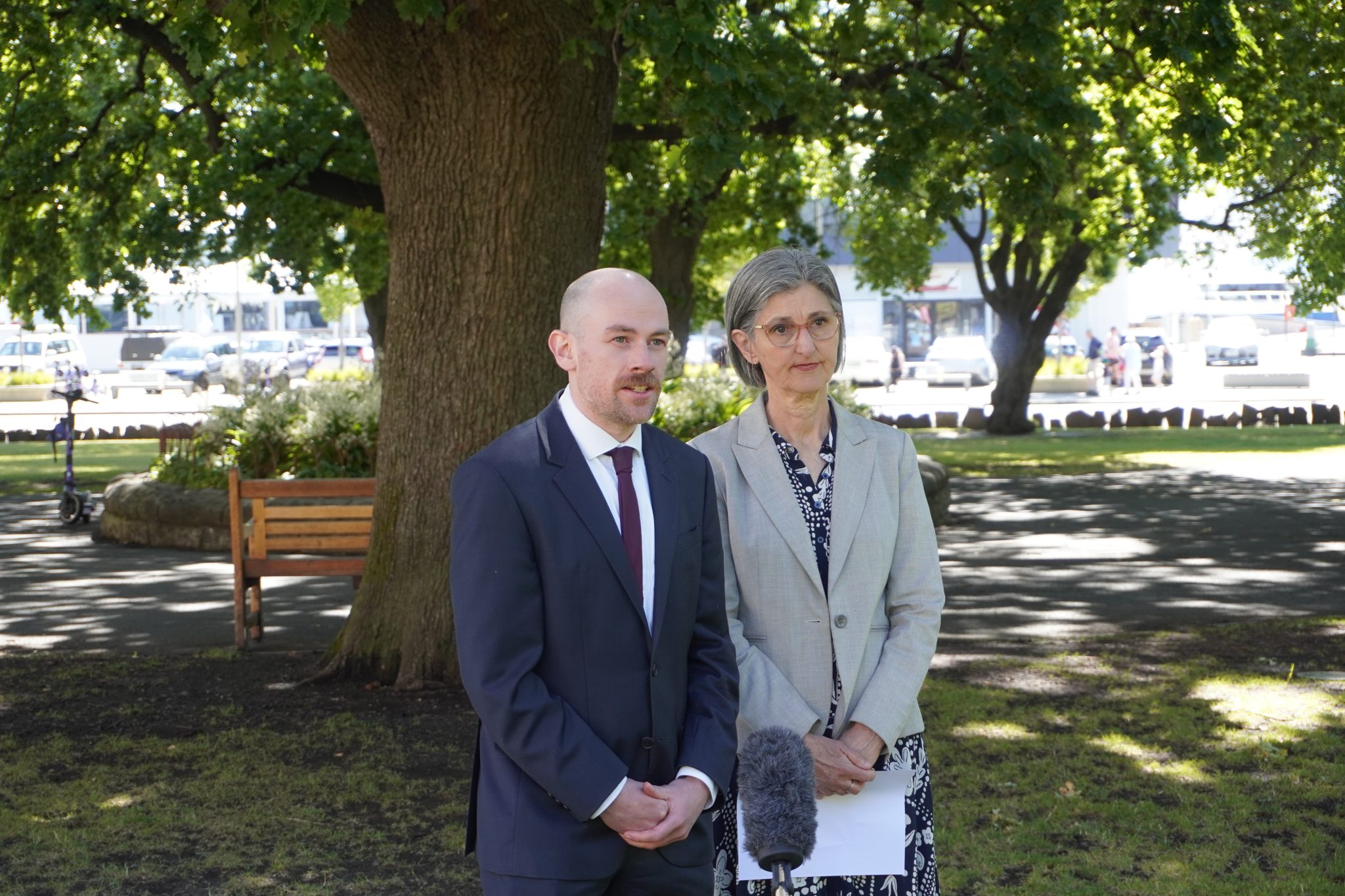
TasCOSS CEO, Ms Adrienne Picone, said there is approximately 58,000 rental households across Tasmania.
“With home ownership now out of reach of many, the number of long-term — and in growing cases lifelong — renters is increasing,” Ms Picone said.
“The quality of the rental experience is arguably more important than ever, and it is imperative steps are taken to rebalance the power dynamic between tenants and landlords to make renting a more attractive proposition.
“As called for in TasCOSS’s 2026/27 Pre-Budget Submission: ‘Nowhere to Go:’ Fixing Tasmania’s Broken Housing System, a critical way to do this is to ensure adequate rental protections and rights are in place which increase security of tenure and ensure minimum housing standards.”
Tenants’ Union of Tasmania Acting Principal Solicitor, Mr Alex Bomford, said Tasmania’s extremely low rental vacancy rates means tenants are uniquely vulnerable to unfair or even exploitative treatment by landlords.
“This makes stronger legal protections for tenants even more vital,” Mr Bomford said.
“Despite recent legislative attention, Tasmania is lagging on rental reform, which is leaving Tasmanian renters vulnerable to arbitrary eviction, substandard housing conditions and unpredictable housing costs.
“The upcoming review of the Residential Tenancy Act 1997, which is due to commence in early 2026, presents a critical opportunity for the Tasmanian Government and the Parliament to commit to providing better protections and rights for Tasmanian renters, especially in relation to no-grounds evictions and rental increases.
“Access to legal services for renters also remains an ongoing concern. Funding for the Tenants’ Union office in Launceston is ad-hoc and uncertain, and we have no permanent presence on the North-West. This compromises our ability to assist the thousands of rental households in the northern half of the state.
“In order to be able to properly provide essential legal services to all Tasmanian tenants, and attract and retain quality staff, we require long-term and secure funding.”
Rental Reform Snapshot:
- The average length of time for median income earners in Australia to save a 20% deposit to buy a home was 10.6 years in 2024, a near record-high.
- In the past 12 months, Hobart’s rent prices for both houses and units have continued to increase (by 6% and 11% respectively), which is a faster growth rate than all other capital cities other than Perth.
- Victoria and the Australian Capital Territory have the strongest tenant protections in Australia, as well as the most affordable rents. In comparison with other jurisdictions, Tasmania has made some recent improvements to key rental protections and rights, but evictions at the end of fixed terms (with no specific reason) are still allowed.
The Tasmania’s State of Housing Dashboard can be accessed at tascoss.org.au/state-of-housing. Graphics/charts from the Dashboard are also available for use by media here.